
PADI Speciality Instructor Training
Becoming a Specialty Instructor is one of the most natural and valuable steps you can take as a dive professional. Once you’ve qualified as an instructor, the focus often shifts from simply teaching core courses to developing your own strengths and offering divers something more tailored and meaningful. Specialty instructor courses allow you to do exactly that—build expertise in specific areas while expanding what you can teach.
Rather than repeating the same entry-level courses, you gain the ability to deliver training that divers actively seek out. Specialties such as Deep Diver, Wreck Diver, Search & Recovery, Peak Performance Buoyancy, Navigation, and DSMB (Delayed Surface Marker Buoy) are all highly relevant, particularly in UK diving. These are practical skills that divers use regularly, not just during a course but throughout their diving journey. Being able to teach them properly adds real value for your students.
For many instructors, one of the biggest advantages is the opportunity to teach subjects they genuinely enjoy. If you spend your time exploring wrecks along the UK coast, teaching Wreck Diver feels like a natural extension of your diving. If you’re passionate about control and technique, Peak Performance Buoyancy allows you to help divers transform their comfort and confidence underwater. This shift makes teaching more engaging and far less repetitive.
UK diving conditions also play an important role. With often limited visibility, changing conditions, and the need for accurate navigation and effective surface signalling, specialties are not just beneficial—they’re essential. As an instructor, having the knowledge and confidence to teach these skills well can make a significant difference to how prepared your students feel once they’re diving independently.
From a professional perspective, becoming a Specialty Instructor also strengthens your position within the industry. It allows you to offer a wider range of courses, support divers beyond their initial certification, and work towards higher ratings such as Master Scuba Diver Trainer. It’s a clear way to demonstrate progression and commitment to your development as an instructor.

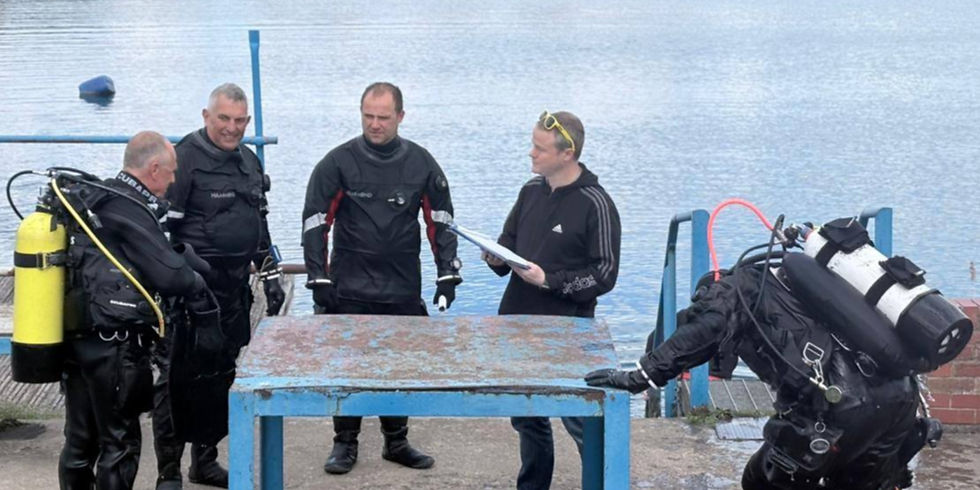
At Divemania, specialty instructor training is approached with a strong focus on real-world application. The aim isn’t just to meet requirements, but to ensure you leave confident in both your subject knowledge and your ability to teach it effectively in UK conditions. That practical approach makes a noticeable difference when you’re working with your own students. Over the course of a training weekend, you will conduct dives demonstrating skills for each of the student speciality dives, as well as discuss techniques for how to teach the course, explain the standards and required equipment.
Ultimately, becoming a Specialty Instructor isn’t just about adding more courses to your list—it’s about becoming a more capable, versatile, and engaging instructor. It gives you the tools to develop divers properly, while also keeping your own teaching fresh and rewarding.


